Solar panels for farms and agricultural businesses
Generate more of the electricity your farm uses on site, with solar PV and battery storage designed around seasonal demand, agricultural roofs or land, rural grid conditions and day-to-day operations.
Solar designed around the way your farm uses electricity
Agricultural electricity demand can change considerably across the day and throughout the year. Loads such as grain storage, refrigeration, ventilation, pumps, lighting and livestock equipment may all affect when electricity is required.
A farm solar system should therefore be designed around the site’s actual operating profile, rather than roof space alone.
A farm solar system should therefore be designed around the site’s actual operating profile, rather than roof space alone.

Use available agricultural space
Make productive use of suitable agricultural roofs or land, subject to structural, access, planning and land-use requirements.
Make productive use of suitable agricultural roofs or land, subject to structural, access, planning and land-use requirements.
Reduce purchased electricity
Generate electricity on site and reduce reliance on imported grid power where the farm’s demand profile and system design support it.
Generate electricity on site and reduce reliance on imported grid power where the farm’s demand profile and system design support it.
Plan around seasonal demand
Use available energy data to understand when the farm consumes electricity and how solar generation could support those changing loads.
Use available energy data to understand when the farm consumes electricity and how solar generation could support those changing loads.







Solar, battery storage and electrical infrastructure in one coordinated system
A farm solar installation must work with the site’s existing electrical infrastructure, grid connection and operating requirements.
DW Energy brings renewable-energy capability together with the standards and accountability of an established electrical contractor.
DW Energy brings renewable-energy capability together with the standards and accountability of an established electrical contractor.
Farm solar PV
A site-specific commercial solar PV system designed around available space, electricity use, grid conditions and the farm’s commercial objectives.
A site-specific commercial solar PV system designed around available space, electricity use, grid conditions and the farm’s commercial objectives.
Grid and electrical integration
Assessment of the existing supply, electrical infrastructure and DNO requirements helps ensure the proposed system can be integrated safely and practically.
Assessment of the existing supply, electrical infrastructure and DNO requirements helps ensure the proposed system can be integrated safely and practically.
Battery storage where it adds value
Commercial battery storage can retain surplus solar electricity for use at another time. Its value depends on the farm’s loads, tariffs, export levels and operating requirements.
Commercial battery storage can retain surplus solar electricity for use at another time. Its value depends on the farm’s loads, tariffs, export levels and operating requirements.
Monitoring and long-term support
System monitoring provides visibility of generation, consumption and battery performance, supported by an accountable route to ongoing technical assistance and maintenance.
System monitoring provides visibility of generation, consumption and battery performance, supported by an accountable route to ongoing technical assistance and maintenance.
Trusted By



Lower Blakemere Farm:
solar and battery storage designed around agricultural demand
Designed for a working agricultural site

Variable farm demand
Grain storage, livestock operations, lighting and general farm equipment created different electricity requirements across the day and year.
Agricultural roof space
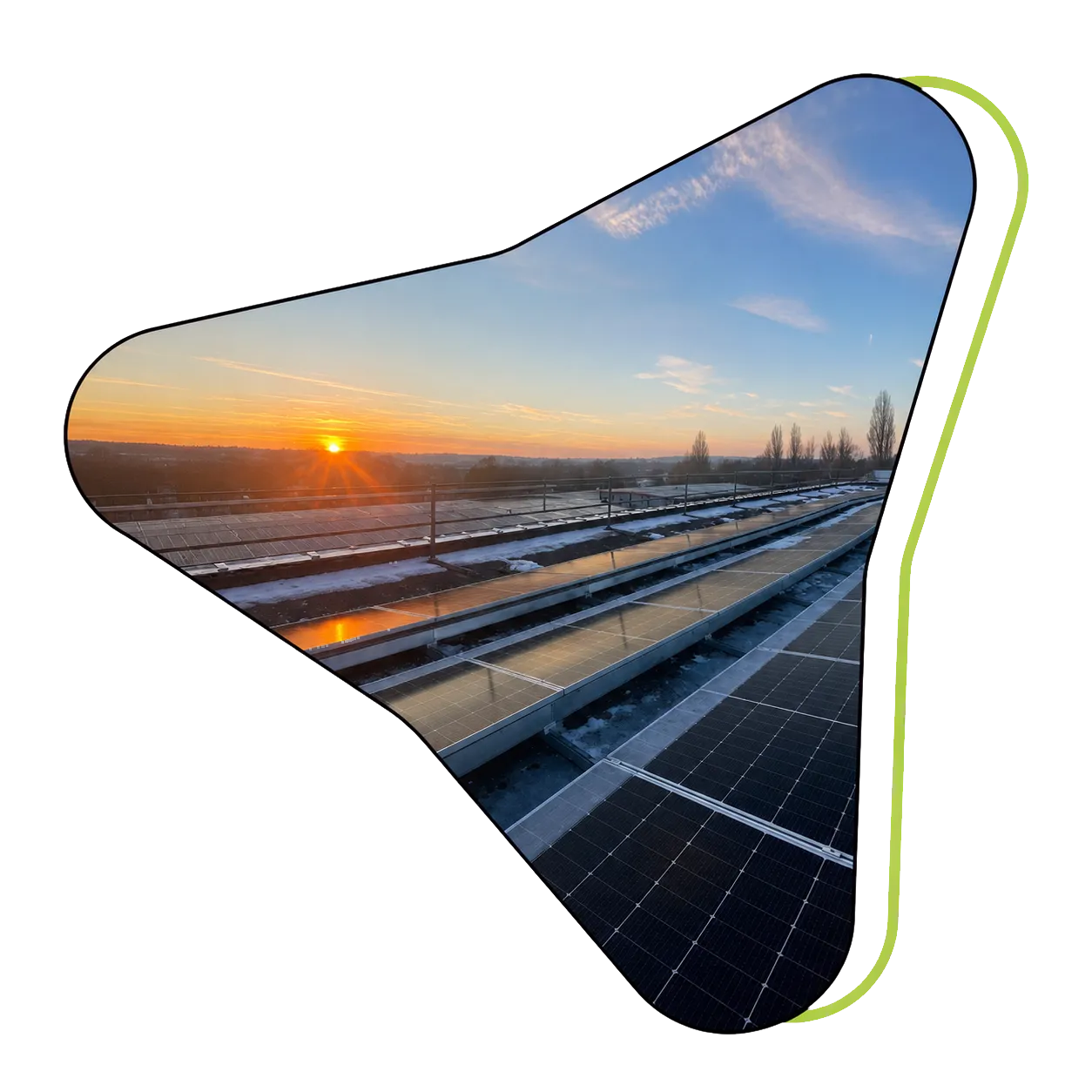
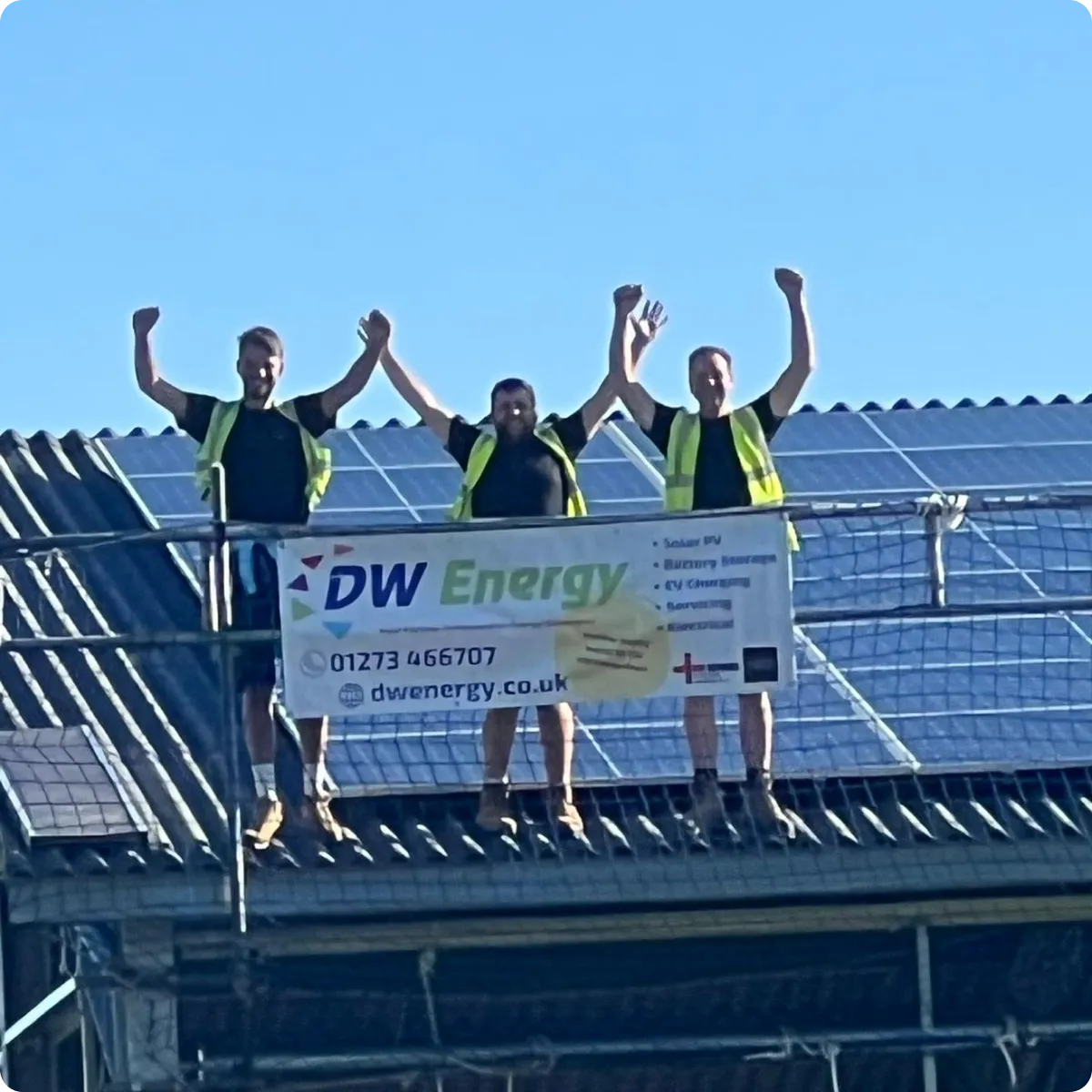
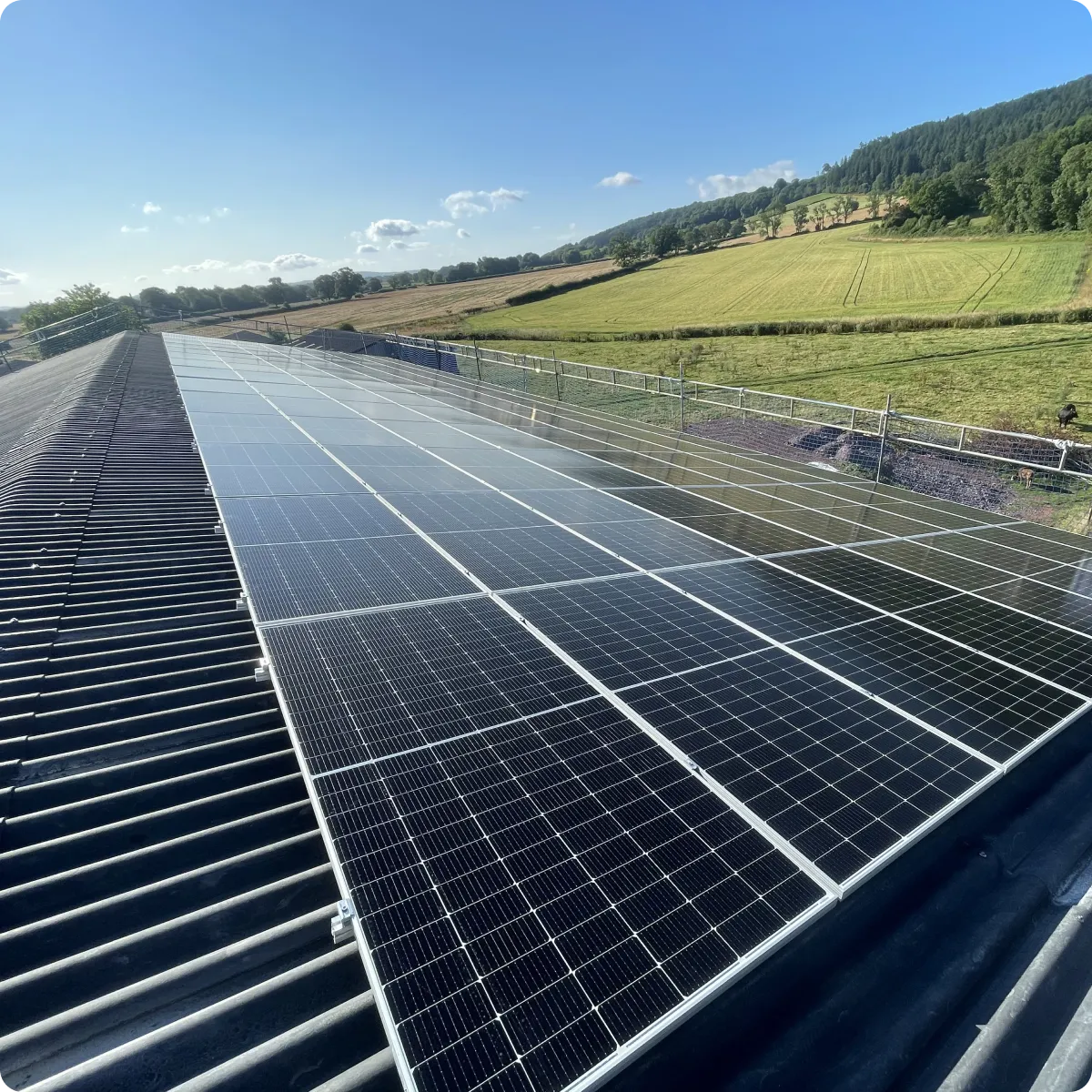
The solar array made productive use of the available agricultural roof to generate electricity close to where it was needed.
Live-site delivery
The installation was planned around the practical requirements of an operational farm.
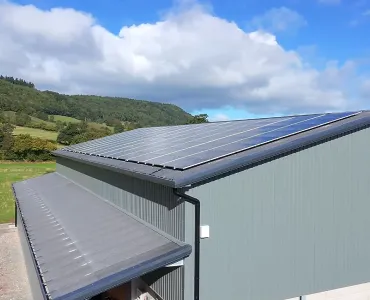
61.6 kWp solar and 46.4 kWh battery storage
112 solar panels
The installation uses 112 UKSOL 550 W solar panels, providing 61.6 kWp of total solar PV capacity.
46.4 kWh of battery storage
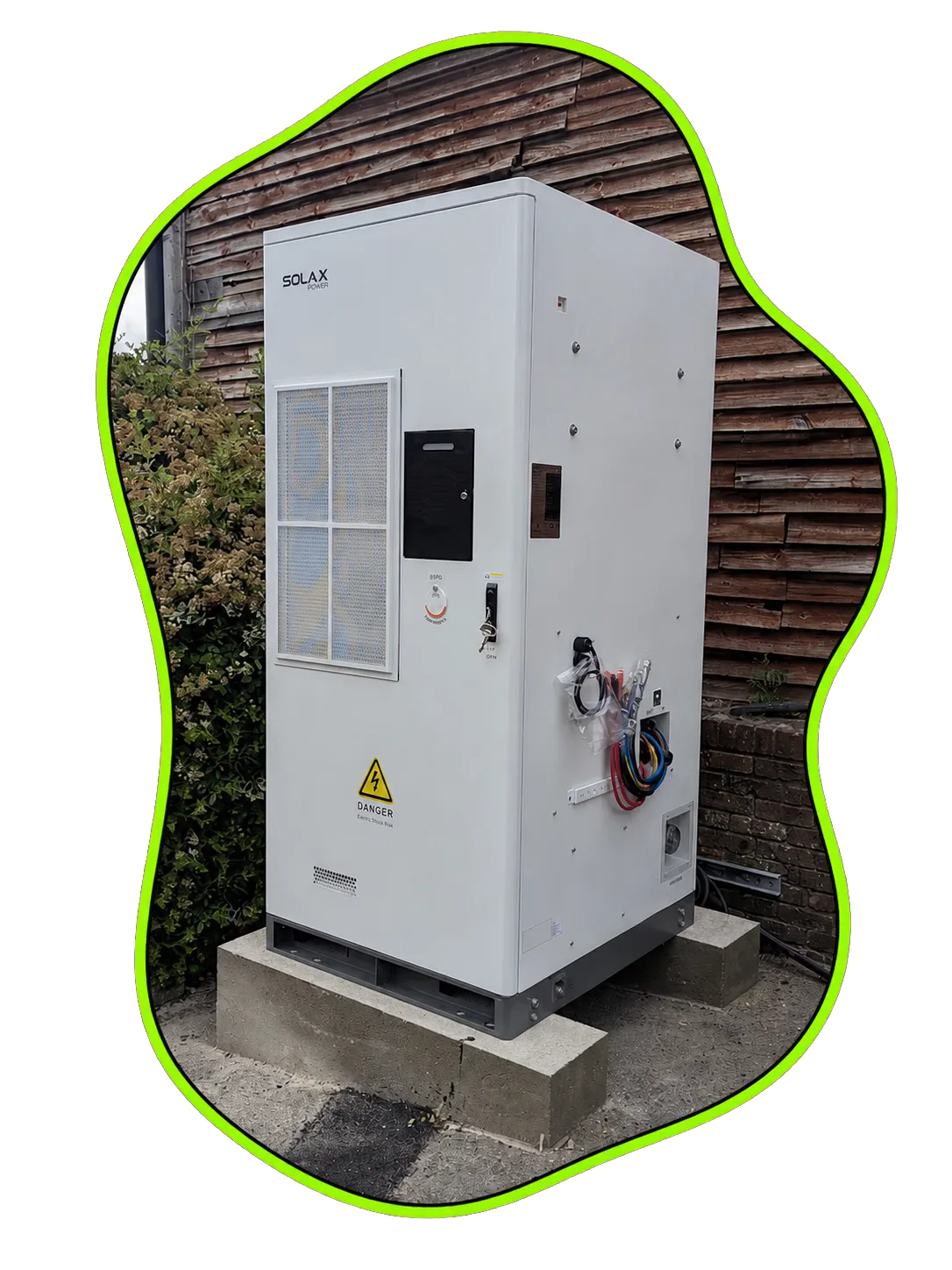
Four SolaX Triple Power battery units provide 46.4 kWh of total battery storage.
System monitoring
Monitoring provides visibility of solar generation, farm electricity consumption and battery performance.
Measured performance after installation
More than 45% self-sufficiency
Lower Blakemere Farm is averaging more than 45% self-sufficiency following installation.
Over 90% on sunny days
The farm has achieved more than 90% self-sufficiency during sunny days with strong solar generation.
Installed in ten days
The complete solar and battery storage system was installed in ten days.
What our commercial solar clients say
.svg)
The installation was completed in just eight days and the team were excellent throughout. They kept everything on track, worked neatly and made sure the project was delivered without disrupting our operations.
Kelgray Products
Managing Director
The team took the agreed design and turned it into a completed installation while managing access, logistics, health and safety, testing and commissioning. DW Energy kept things under control and delivered safely within the required timeframe.
Sunbird
Head of Engineering
The advice was clear, the installation was well handled. We are very happy with the outcome and would recommend DW Energy to other businesses looking to take greater control of their energy costs.
Four Seasons Fuel
Managing Director
Commercial Solar FAQs
Are solar panels suitable for farms?
Often, yes. Farms with meaningful electricity demand and suitable agricultural roof or land space can be good candidates for solar panels.
Suitability depends on the condition and orientation of the available space, the farm’s electricity use, seasonal demand, grid connection and investment objectives. A site and energy assessment is needed before the system size or likely return can be established.
Suitability depends on the condition and orientation of the available space, the farm’s electricity use, seasonal demand, grid connection and investment objectives. A site and energy assessment is needed before the system size or likely return can be established.
Is battery storage worthwhile with solar panels for a farm?
For most farms, battery storage adds significant value alongside solar. It stores surplus electricity for use outside peak generating hours, increasing self-consumption and reducing reliance on grid power.
We use the farm’s energy data to determine the right battery size and expected commercial benefit. Backup during a power cut requires a system specifically designed for it.
We use the farm’s energy data to determine the right battery size and expected commercial benefit. Backup during a power cut requires a system specifically designed for it.
What if the farm has a constrained rural grid connection?
Rural grid constraints do not automatically rule out solar, but they can affect the system design and export capacity.
DW Energy can assess the electrical supply and coordinate the relevant DNO application where required. Export controls or battery storage may form part of the proposed design, but they do not remove the need for the appropriate grid assessment and approval.
DW Energy can assess the electrical supply and coordinate the relevant DNO application where required. Export controls or battery storage may form part of the proposed design, but they do not remove the need for the appropriate grid assessment and approval.
How much do solar panels for farms cost?
The cost depends on the system size, roof or ground conditions, access, electrical infrastructure, grid connection, battery storage and monitoring requirements.
We use the farm’s site and energy data to model the proposed installation, forecast generation, projected savings and payback. This provides a more reliable commercial case than applying a standard cost or return to every agricultural site.
We use the farm’s site and energy data to model the proposed installation, forecast generation, projected savings and payback. This provides a more reliable commercial case than applying a standard cost or return to every agricultural site.
Can solar panels be installed on agricultural roofs or land?
Yes, subject to the site assessment and applicable requirements. For agricultural buildings, we review factors including roof condition, structural capacity, available area, shading, access and the electrical connection.
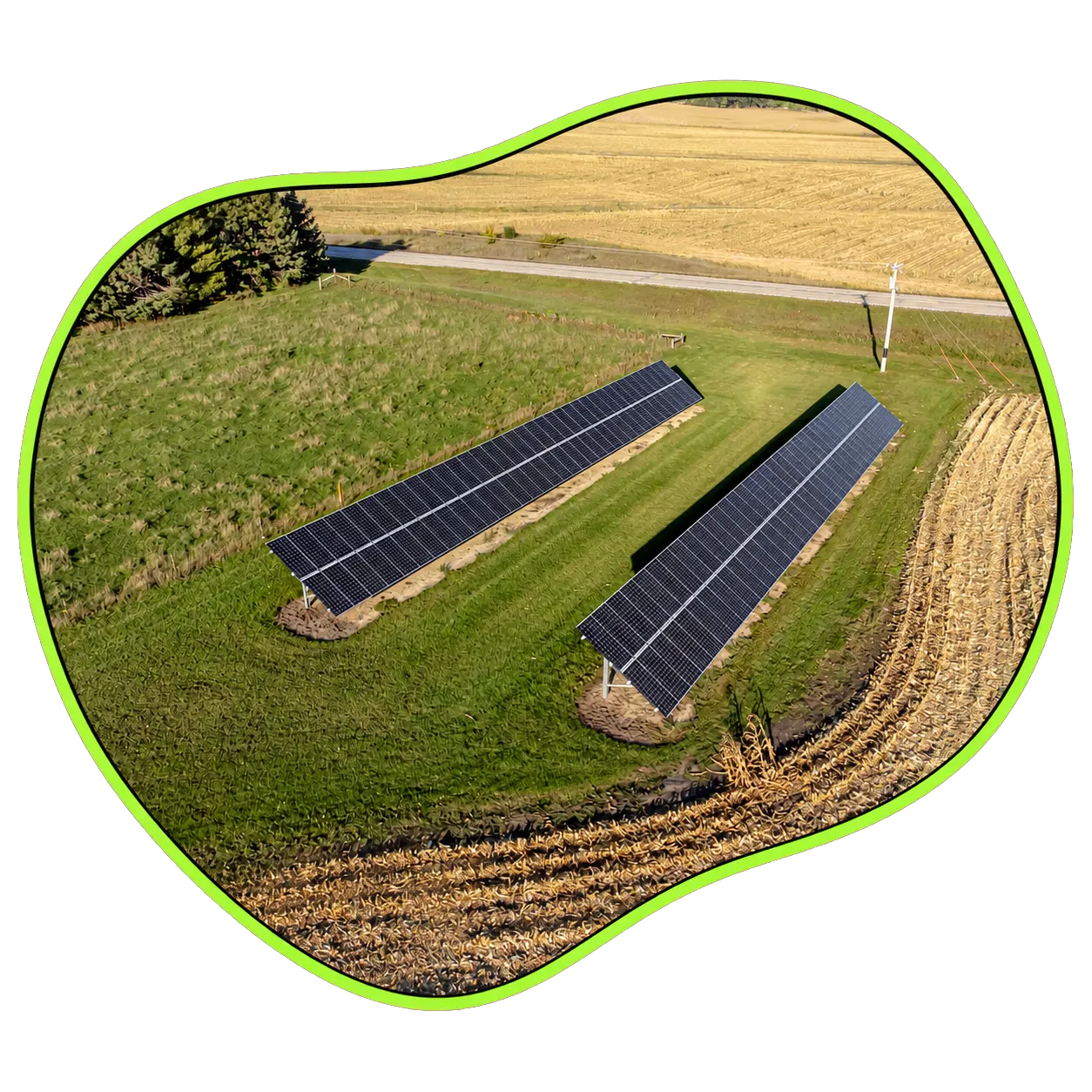
Ground-mounted solar may also be considered where suitable land is available. Planning, land classification, agricultural use, access and grid requirements must be reviewed for the individual site.
Ground-mounted solar may also be considered where suitable land is available. Planning, land classification, agricultural use, access and grid requirements must be reviewed for the individual site.
Can the farm remain operational during installation?
In many cases, normal farm operations can continue while the solar panels are installed. Access, deliveries, working areas and electrical work should be planned around livestock, equipment movements, seasonal activity and site safety.
Any isolations, restricted access or temporary shutdowns will be identified during planning and agreed before installation begins.
Any isolations, restricted access or temporary shutdowns will be identified during planning and agreed before installation begins.