Shore power installation and port electrification for ports and harbours
Support cleaner, more resilient port operations with shore power, port electrification, solar PV and battery storage designed around vessel movements, berth infrastructure, grid capacity and live site requirements.
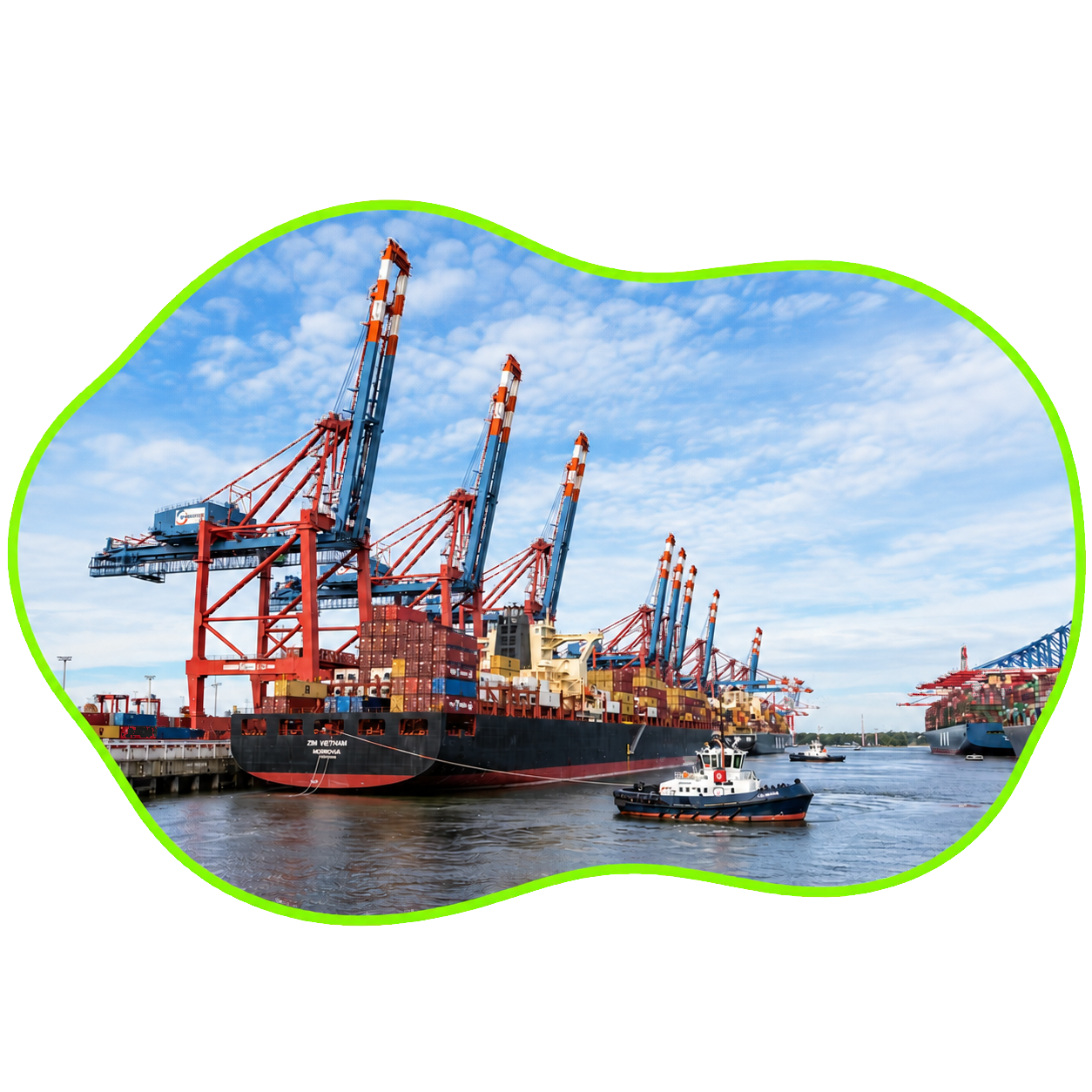
Shore power designed around the way your port operates
Ports and coastal sites have complex electricity requirements. Vessel movements, berth usage, refrigeration, unloading, onboard services and operational equipment can all affect when and where electricity is needed.
A shore power installation should therefore be designed around the port’s actual operating profile, available electrical supply and future plans for maritime electrification.
A shore power installation should therefore be designed around the port’s actual operating profile, available electrical supply and future plans for maritime electrification.

Use existing port infrastructure
Make practical use of available electrical capacity, existing buildings, berth layouts and suitable connection points.
Make practical use of available electrical capacity, existing buildings, berth layouts and suitable connection points.
Reduce reliance on onboard generation
Shore power for ships can provide electricity while vessels are berthed, helping reduce the need to run onboard diesel generators for essential auxiliary loads.
Shore power for ships can provide electricity while vessels are berthed, helping reduce the need to run onboard diesel generators for essential auxiliary loads.
Plan around live operations
Electrical and civil works can be planned around vessel movements, vehicle routes, access requirements and the daily operations of the port.
Electrical and civil works can be planned around vessel movements, vehicle routes, access requirements and the daily operations of the port.









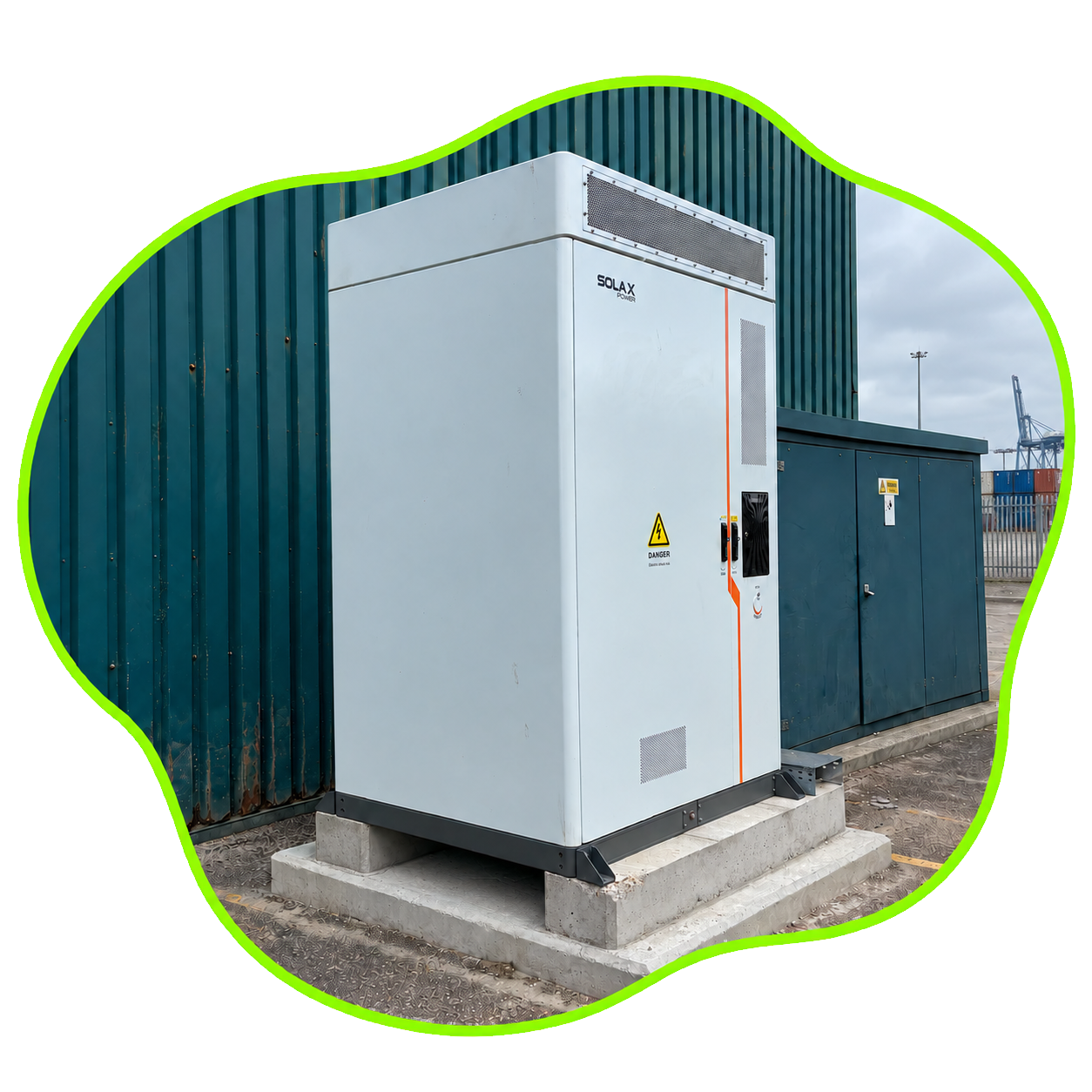
Shore power, battery storage and electrical infrastructure in one coordinated system
A port electrification project must work with the site’s existing electrical infrastructure, grid connection, available space and operating requirements.
DW Energy brings renewable energy capability together with the standards and accountability of an established electrical contractor.
DW Energy brings renewable energy capability together with the standards and accountability of an established electrical contractor.
Shore power installation
Design and installation of electrical infrastructure for berths, vessels and supporting port operations.
Design and installation of electrical infrastructure for berths, vessels and supporting port operations.
Onshore power supply
Berth connections, distribution equipment, protected cable routes and durable containment designed around the site.
Berth connections, distribution equipment, protected cable routes and durable containment designed around the site.
Solar and battery storage
Solar PV and commercial battery storage can support shore power and charging demand where the technical and financial case is appropriate.
Solar PV and commercial battery storage can support shore power and charging demand where the technical and financial case is appropriate.
Trusted By



Flexible commercial solar funding options are available
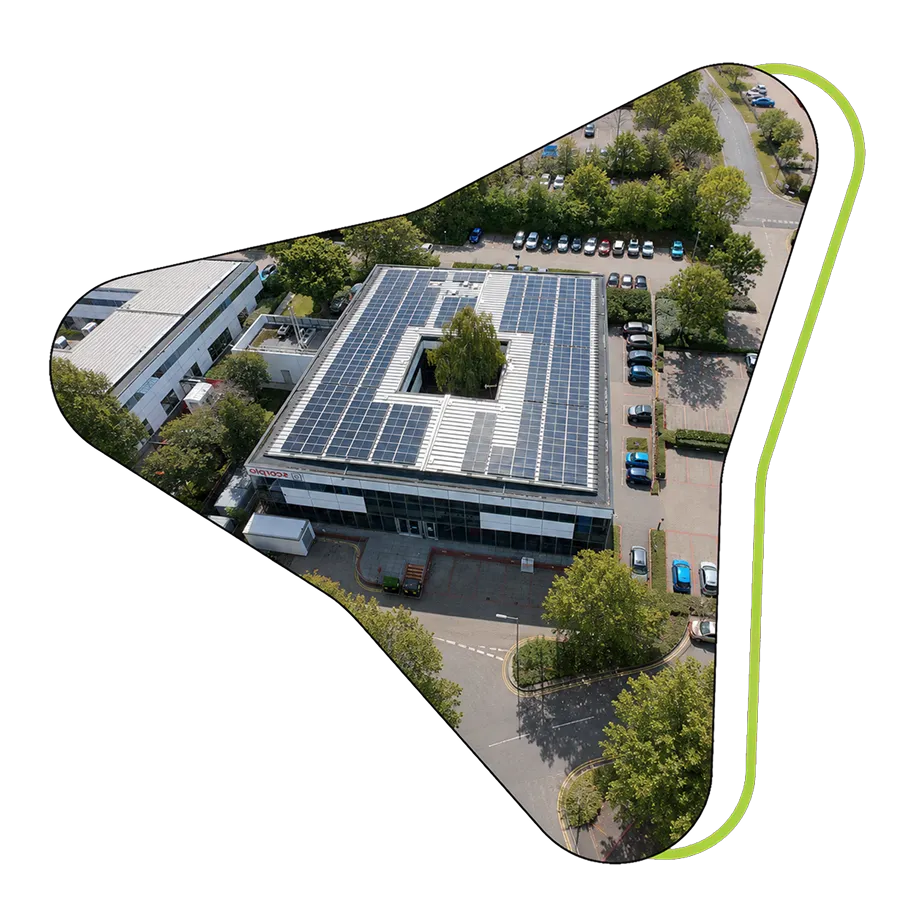
The answer depends on vessel demand, berth usage, existing electrical infrastructure, grid capacity, electricity tariffs and the scale of the proposed port electrification project.
We use site information, energy data and operating requirements to assess the potential value of shore power installation, battery storage, solar PV and vessel charging infrastructure. Actual results depend on site design, demand, tariffs and usage.
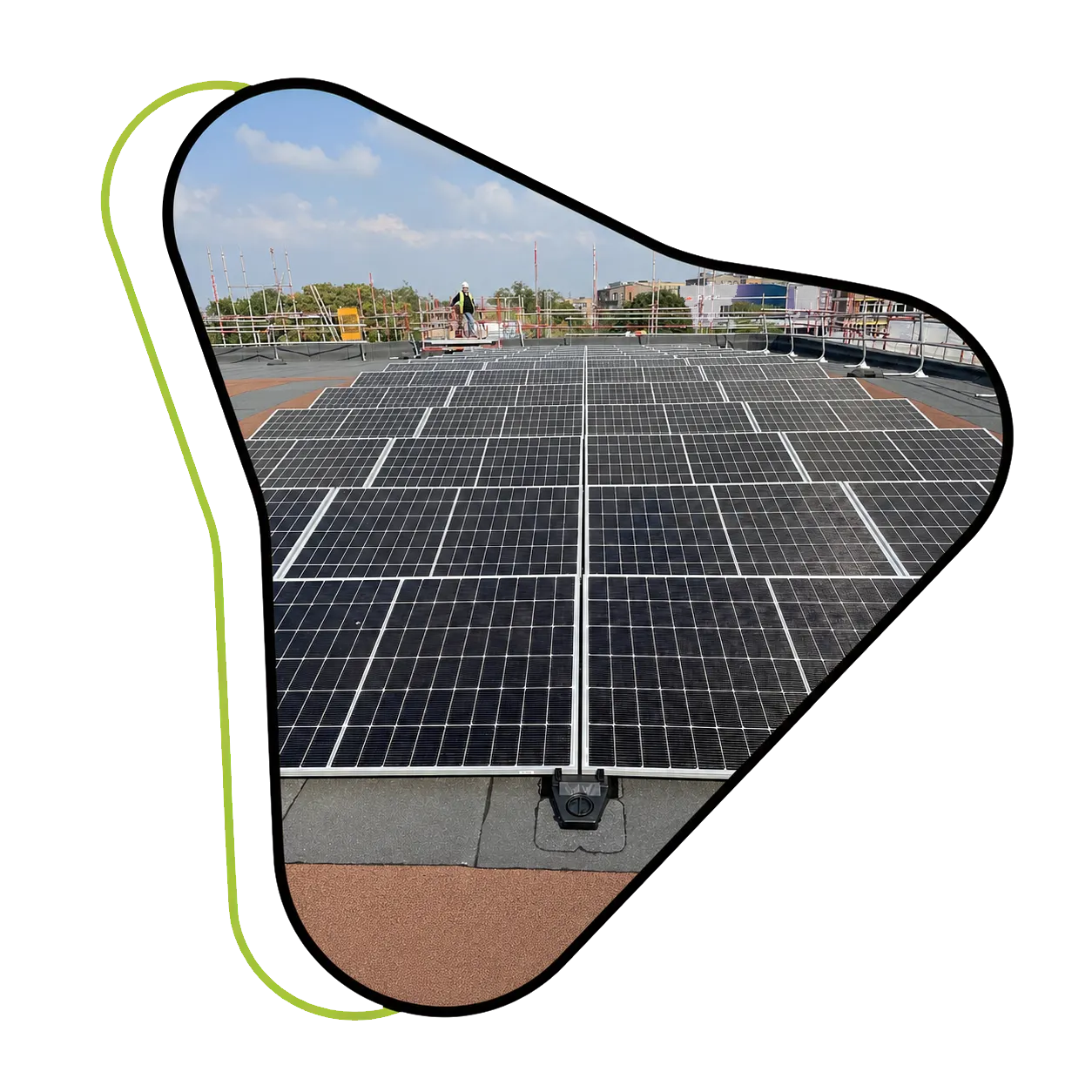
Shoreham Port: practical steps towards port electrification
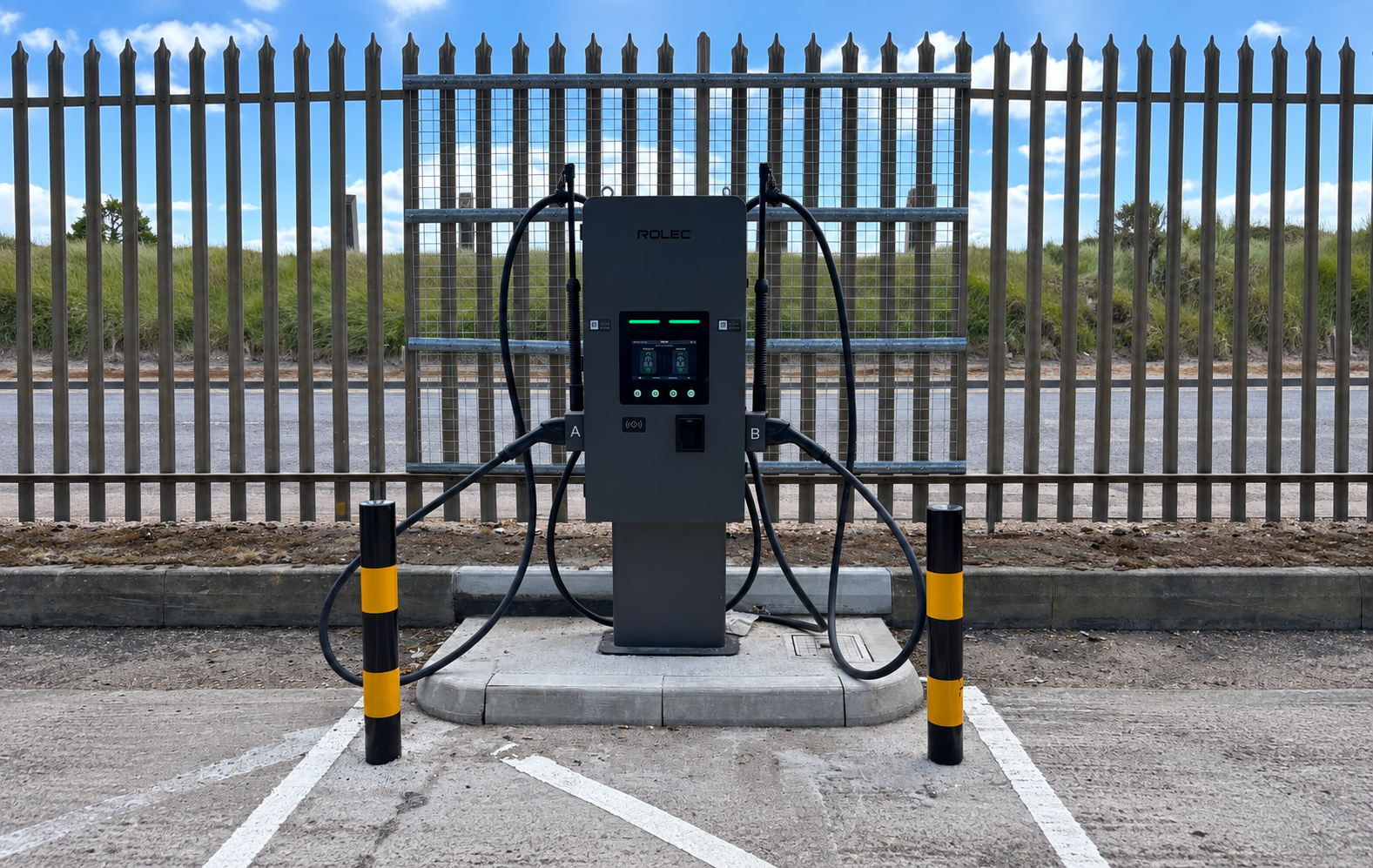
Electric HGV charging designed around existing supply

Two 80 kW EV chargers
DW Energy delivered and installed two 80 kW EV chargers to provide reliable overnight charging for Shoreham Port’s first two electric HGVs.
200 kWh battery storage
Battery storage helped the charging system work within the limits of the port’s existing electrical supply.
Existing 90 kWp solar PV
The project made use of the port’s existing solar PV array to help support charging demand with renewable energy generated onsite.
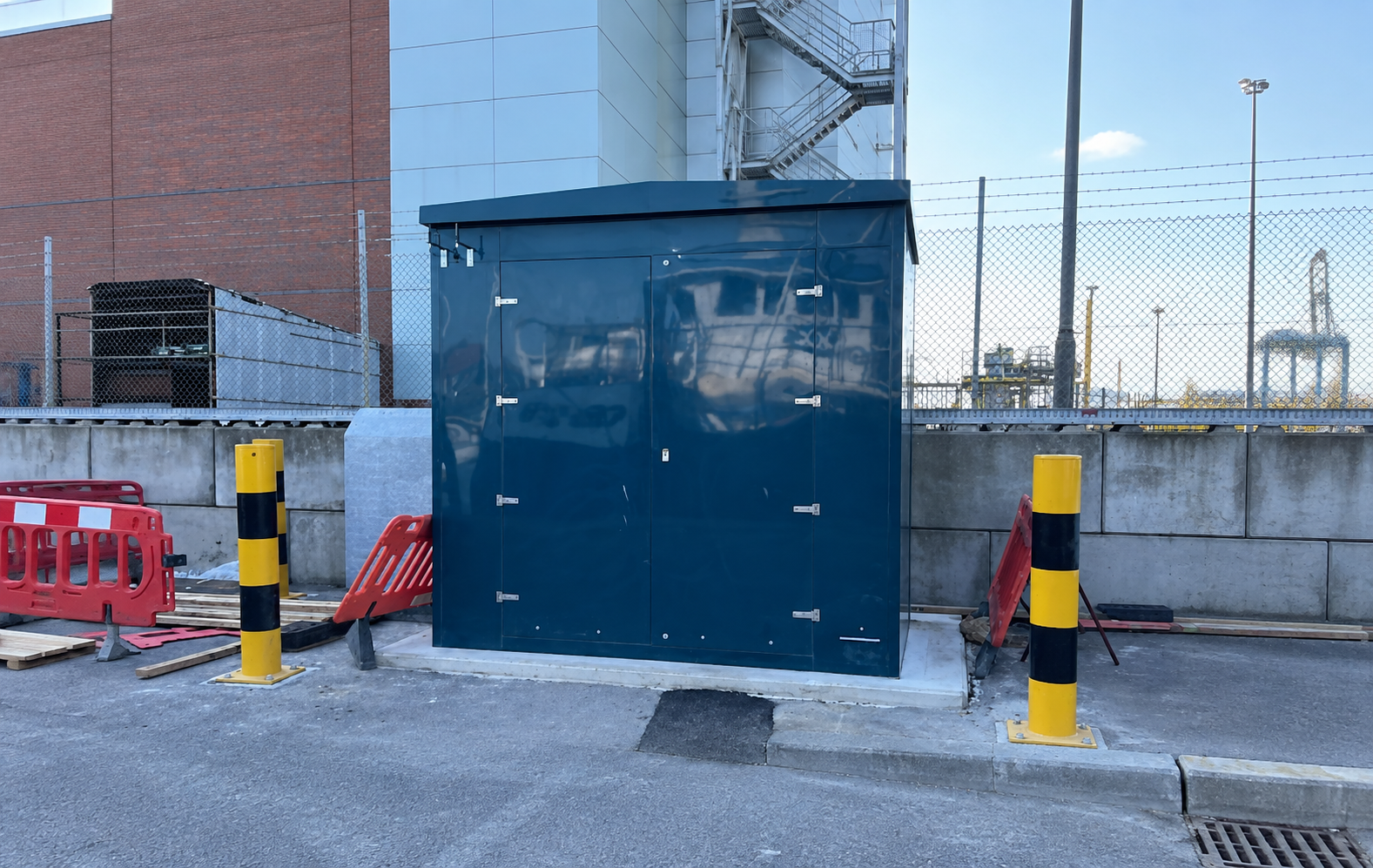
Shore power for up to ten fishing vessels at Berth Zero
Five berths connected
DW Energy designed and installed a new shore power network across five berths at Shoreham Port’s Berth Zero.
Ten fishing vessels supported
The system provides reliable electricity for ten fishing vessels while they are berthed.
Power for essential onboard loads
Shore power supports refrigeration, unloading and auxiliary supplies while reducing reliance on onboard diesel generators.
What our commercial solar clients say
.svg)
The installation was completed in just eight days and the team were excellent throughout. They kept everything on track, worked neatly and made sure the project was delivered without disrupting our operations.
Kelgray Products
Managing Director
The team took the agreed design and turned it into a completed installation while managing access, logistics, health and safety, testing and commissioning. DW Energy kept things under control and delivered safely within the required timeframe.
Sunbird
Head of Engineering
The advice was clear, the installation was well handled. We are very happy with the outcome and would recommend DW Energy to other businesses looking to take greater control of their energy costs.
Four Seasons Fuel
Managing Director
Shore Power FAQs
What is shore power for ships?
Shore power for ships allows a vessel to connect to electricity from the port while it is berthed. This can provide power for refrigeration, unloading and auxiliary systems without relying entirely on onboard diesel generators.
What is onshore power supply?
Onshore power supply is the infrastructure that allows a berthed vessel to receive electricity from the shore. It may include berth connections, distribution equipment, cable management, protection systems and monitoring.
Can shore power work with solar and battery storage?
It can, depending on the site’s electrical demand, generation profile, storage requirements and available grid capacity. A combined system may help support shore power or vehicle charging where the technical and commercial case is suitable.
What does a shore power installation involve?
A shore power installation may involve reviewing the existing electrical supply, designing berth connections, installing distribution equipment, protecting cable routes, completing civil works and testing the system before commissioning.
What is cold ironing in ports?
Cold ironing is another term used to describe connecting vessels to shore-based electricity while they are berthed. It can reduce the need to run onboard engines or generators during port stays, depending on the vessel and infrastructure available.
Can installation take place while the port remains operational?
Port electrical works can be planned around vessel movements, vehicle routes, access requirements and operational constraints. Any isolations, restricted access or temporary shutdowns should be identified during planning and agreed before installation begins.