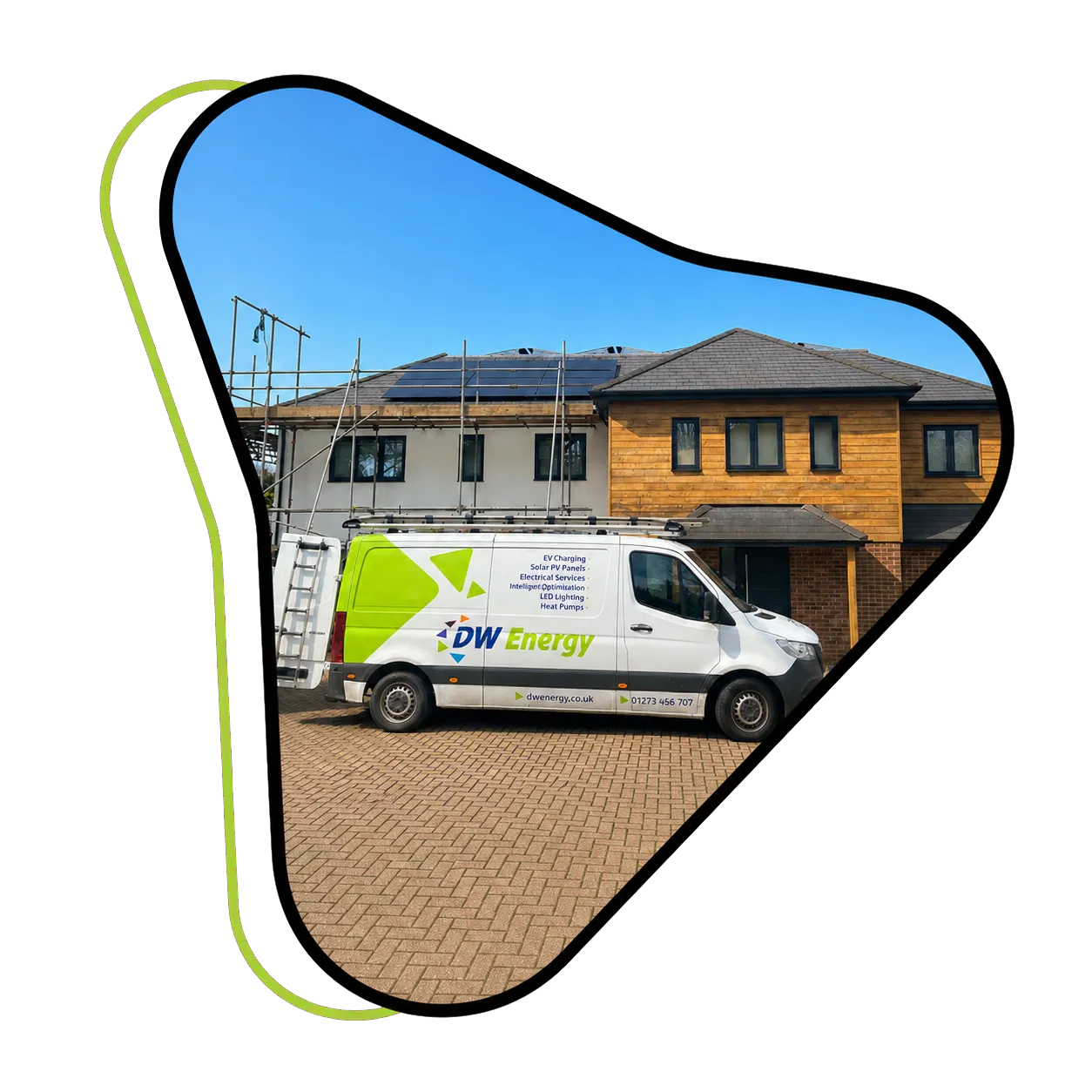
Solar panels and electrical services for care homes
Care homes depend on safe, reliable power around the clock. DW Energy designs and delivers commercial solar panels, battery storage, EV charging and electrical systems for care homes across Sussex and the South East, with every project planned around residents, staff and day-to-day operations.
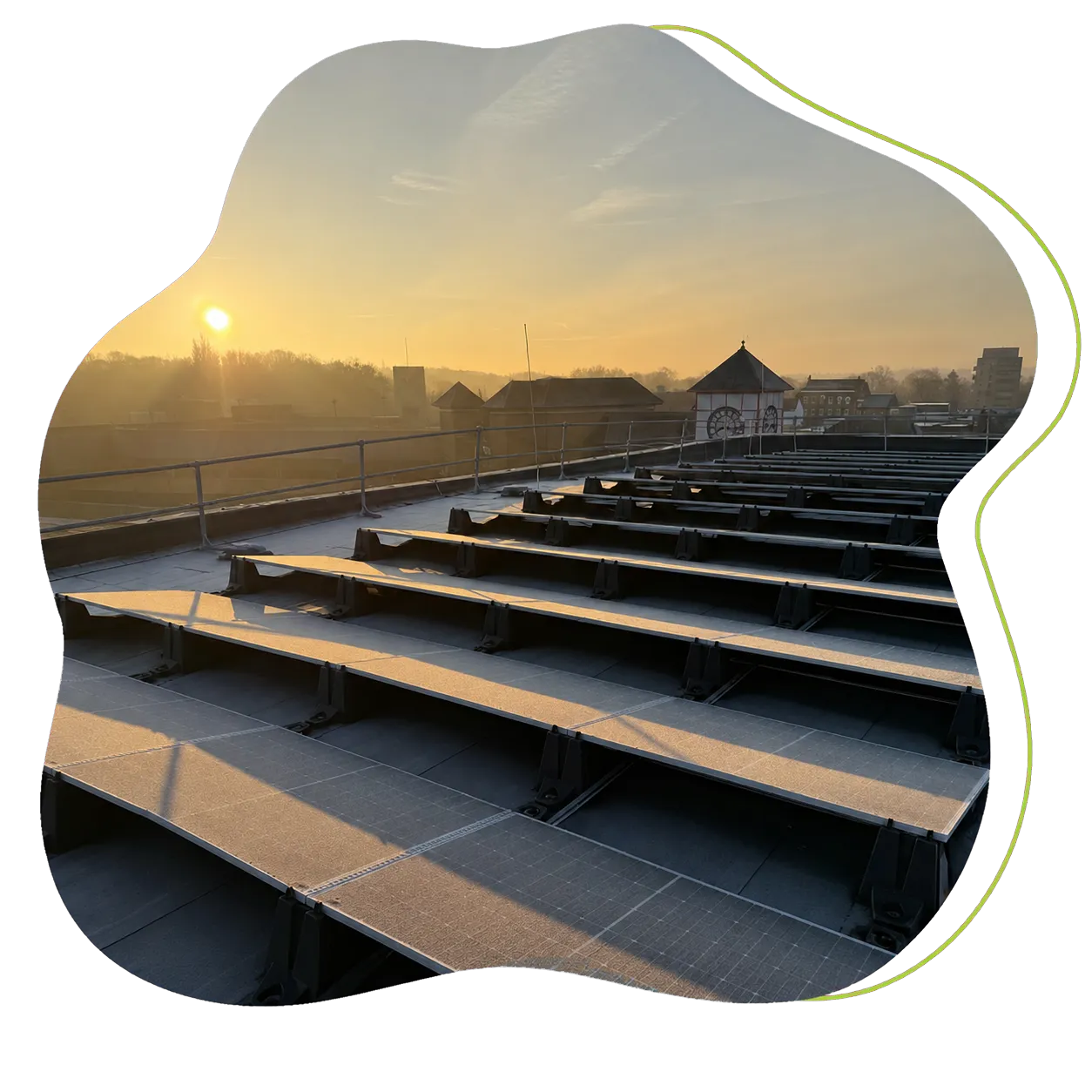
Commercial solar designed around care home energy use
Care homes use electricity throughout the day and night for lighting, catering, laundry, lifts, ventilation, communications and resident-support systems.This regular demand can create a good opportunity to generate and use renewable electricity on site.
However, a care home solar system should be designed around the property’s actual energy use, roof space, electrical infrastructure and grid connection, rather than roof capacity alone.
However, a care home solar system should be designed around the property’s actual energy use, roof space, electrical infrastructure and grid connection, rather than roof capacity alone.

Reduce purchased electricity
Generate renewable electricity on site and reduce reliance on grid power when solar generation aligns with the care home’s demand.
Generate renewable electricity on site and reduce reliance on grid power when solar generation aligns with the care home’s demand.
Support reliable day-to-day operations
Access, working areas, deliveries, noise and any necessary electrical isolations can be coordinated around the needs of the care environment.
Access, working areas, deliveries, noise and any necessary electrical isolations can be coordinated around the needs of the care environment.
Make productive use of available roof space
Suitable roof areas can be used to generate electricity close to where it is needed, subject to structural, access and planning requirements.
Suitable roof areas can be used to generate electricity close to where it is needed, subject to structural, access and planning requirements.








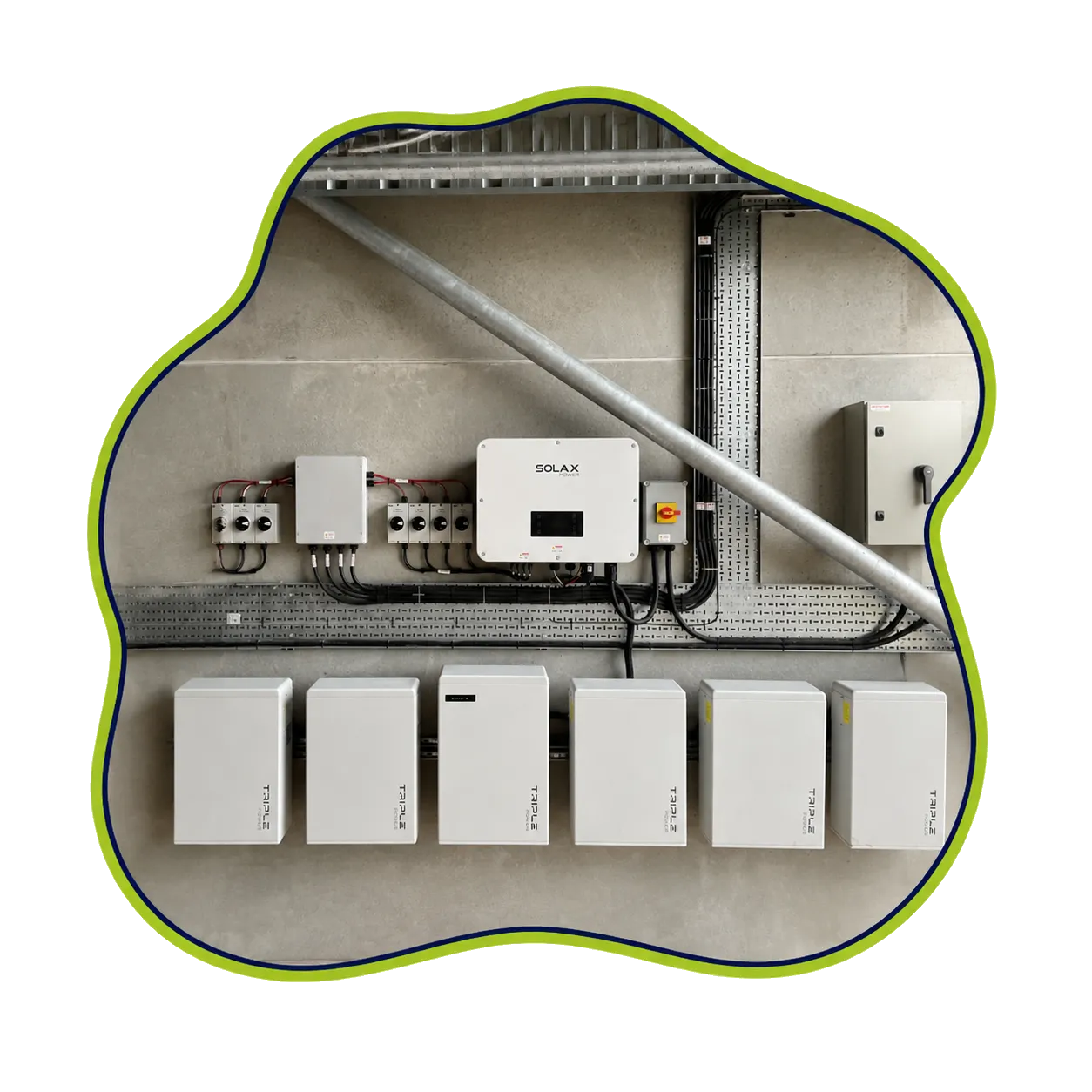
Solar, battery storage, EV charging and electrical systems in one coordinated project
Whether you are planning a new care home development or upgrading an existing property, renewable energy systems must work safely with the building’s wider electrical infrastructure.
DW Energy combines renewable energy expertise with the capability and accountability of an established commercial electrical contractor.
DW Energy combines renewable energy expertise with the capability and accountability of an established commercial electrical contractor.
PV to suit your power usage
A site-specific commercial solar PV system designed around the care home’s electricity use, available roof space, grid connection and commercial objectives.
A site-specific commercial solar PV system designed around the care home’s electricity use, available roof space, grid connection and commercial objectives.
Care home electrical infrastructure
Commercial electrical services can include power distribution, lighting, emergency lighting, data, fire alarms, CCTV and resident-support systems, depending on the requirements of the project.
Commercial electrical services can include power distribution, lighting, emergency lighting, data, fire alarms, CCTV and resident-support systems, depending on the requirements of the project.
Battery storage where it adds value
Commercial battery storage can retain surplus solar electricity for use at another time. Its value depends on the care home’s demand profile, electricity tariffs, export levels and resilience requirements.
Commercial battery storage can retain surplus solar electricity for use at another time. Its value depends on the care home’s demand profile, electricity tariffs, export levels and resilience requirements.
EV charging for staff, visitors and vehicles
Business EV charging can be designed around parking use, available electrical capacity and the requirements of staff, visitors or operational vehicles.
Business EV charging can be designed around parking use, available electrical capacity and the requirements of staff, visitors or operational vehicles.
Trusted By



A complete care home electrical and renewable energy project in Worthing
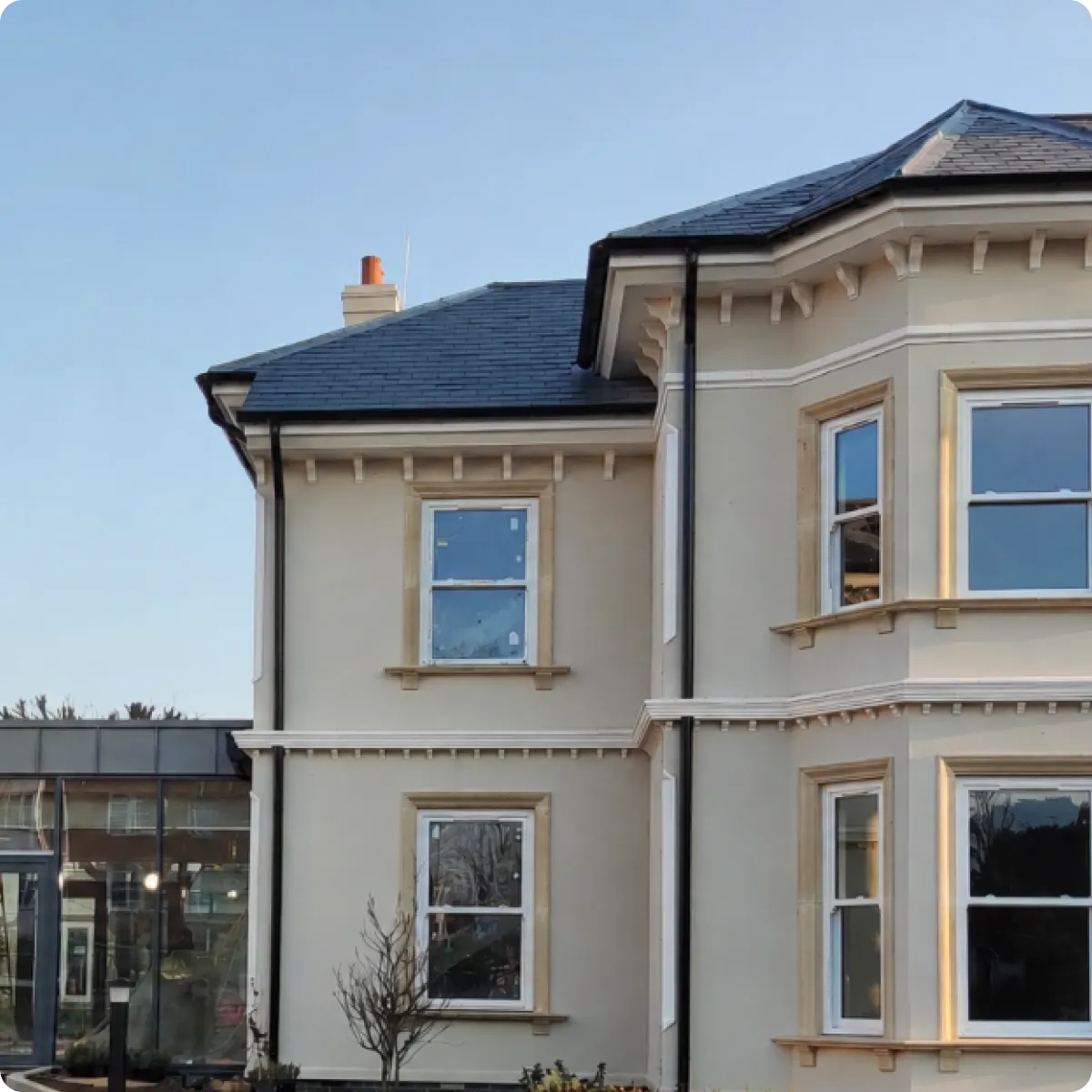
DW Energy delivered the electrical and renewable energy infrastructure for a new purpose-built care home in Worthing, West Sussex.
Working alongside Pilbeam Construction over a 12-month programme, we brought the building’s electrical, resident-support, safety, solar and EV charging systems together within one coordinated project.

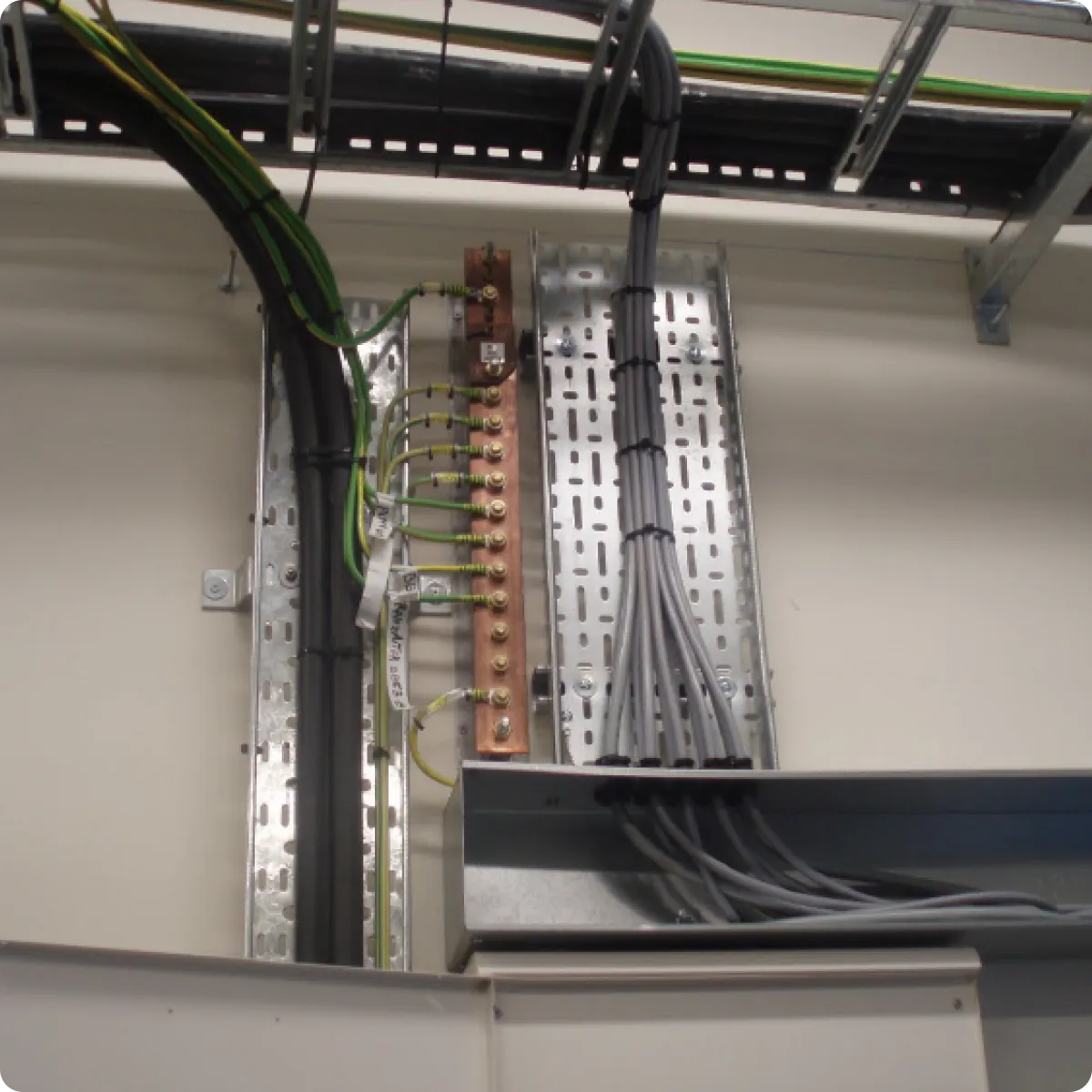
Safety and resident-support systems

Lighting and power
The project included the care home’s complete electrical installation together with internal and external lighting.
Data and nurse call
Data infrastructure and the nurse call system were planned and delivered as part of the building-wide installation.
Fire and security systems
Fire alarms and CCTV were incorporated into the wider electrical works to support the safety and security of the completed facility.
A 161-panel solar PV system
161 roof-mounted solar panels
The completed solar PV system uses 161 panels to generate renewable electricity at the care home.
Built over several roof areas
The array was designed around the shape and orientation of the building, making productive use of the available roof space.
Electricity generated on site
The system can reduce the amount of grid electricity the care home needs to purchase when solar generation aligns with demand.
Six EV charging points installed
Six dedicated charging points
Six EV chargers provide charging facilities for the site’s changing transport requirements.
Integrated electrical capacity
Including the chargers during construction allowed them to be considered as part of the care home’s wider electrical infrastructure.
Coordinated project delivery
DW Energy coordinated the connected systems throughout the 12-month construction project.
What our commercial solar clients say
.svg)
The installation was completed in just eight days and the team were excellent throughout. They kept everything on track, worked neatly and made sure the project was delivered without disrupting our operations.
Kelgray Products
Managing Director
The team took the agreed design and turned it into a completed installation while managing access, logistics, health and safety, testing and commissioning. DW Energy kept things under control and delivered safely within the required timeframe.
Sunbird
Head of Engineering
The advice was clear, the installation was well handled. We are very happy with the outcome and would recommend DW Energy to other businesses looking to take greater control of their energy costs.
Four Seasons Fuel
Managing Director
Care home solar and electrical FAQs
Are solar panels suitable for care homes?
Often, yes. Care homes commonly use electricity throughout the day for lighting, kitchens, laundry, ventilation, lifts, office equipment and other building systems.
This can allow a well-designed solar PV system to supply electricity close to where it is being used. Suitability depends on the care home’s energy profile, roof condition and orientation, available space, electrical infrastructure, grid connection and investment objectives.
This can allow a well-designed solar PV system to supply electricity close to where it is being used. Suitability depends on the care home’s energy profile, roof condition and orientation, available space, electrical infrastructure, grid connection and investment objectives.
Can installation work take place while a care home remains operational?
In many cases, work can be phased around the continued operation of the care home, although this depends on the property and the scope of the project.
Access, working areas, deliveries, noise, dust and resident safety should all be considered during planning. Any restricted areas, temporary shutdowns or electrical isolations should be identified and agreed in advance with the care home’s management team.
Access, working areas, deliveries, noise, dust and resident safety should all be considered during planning. Any restricted areas, temporary shutdowns or electrical isolations should be identified and agreed in advance with the care home’s management team.
Can solar panels keep a care home running during a power cut?
A standard grid-connected solar PV system is designed to shut down during a power cut. Backup operation requires a compatible battery system, suitable controls and an agreed set of essential circuits.
The achievable backup duration depends on the selected loads, their electricity demand, battery capacity and the amount of solar generation available at the time.
The achievable backup duration depends on the selected loads, their electricity demand, battery capacity and the amount of solar generation available at the time.
How much do solar panels for a care home cost?
The cost depends on the proposed system size, roof condition, access requirements, electrical infrastructure, grid connection, monitoring requirements and whether battery storage is included.
We use site and energy data to prepare a tailored design and model expected generation, projected savings and payback rather than applying a standard price or return to every care home.
We use site and energy data to prepare a tailored design and model expected generation, projected savings and payback rather than applying a standard price or return to every care home.
Is battery storage worthwhile for a care home?
Battery storage may increase the amount of solar electricity used on site by retaining surplus generation for use later.
Its value depends on the care home’s daytime and overnight loads, electricity tariffs, export levels and the proposed battery size. We assess these factors before recommending whether battery storage should form part of the system.
Backup power during a grid outage is a separate requirement and must be included in the design from the outset.
Its value depends on the care home’s daytime and overnight loads, electricity tariffs, export levels and the proposed battery size. We assess these factors before recommending whether battery storage should form part of the system.
Backup power during a grid outage is a separate requirement and must be included in the design from the outset.
Can EV charging be installed at a care home?
Yes, subject to the available electrical capacity, parking arrangements and intended use.
Chargers can be provided for staff, visitors or operational vehicles. Load management may also be considered where several vehicles could charge at the same time or where the site has limited spare electrical capacity.
Chargers can be provided for staff, visitors or operational vehicles. Load management may also be considered where several vehicles could charge at the same time or where the site has limited spare electrical capacity.